Throughout the decades of football history, few players have captured the imagination like George Best. The Belfast-born winger wasn’t just a footballer; he was an artist on the pitch, a pop-culture icon, and a pioneer of attacking brilliance.
Best’s career is defined by flair, audacity, and a litany of unforgettable moments, but no chapter is more iconic than his role in Manchester United’s historic 1968 European Cup triumph.
This was the year United became the first English club to lift Europe’s most prestigious club trophy, a feat that remains intertwined with Best’s exceptional talents. His performances throughout the tournament – and in the final itself – solidified his status as one of Manchester United’s all-time greats.
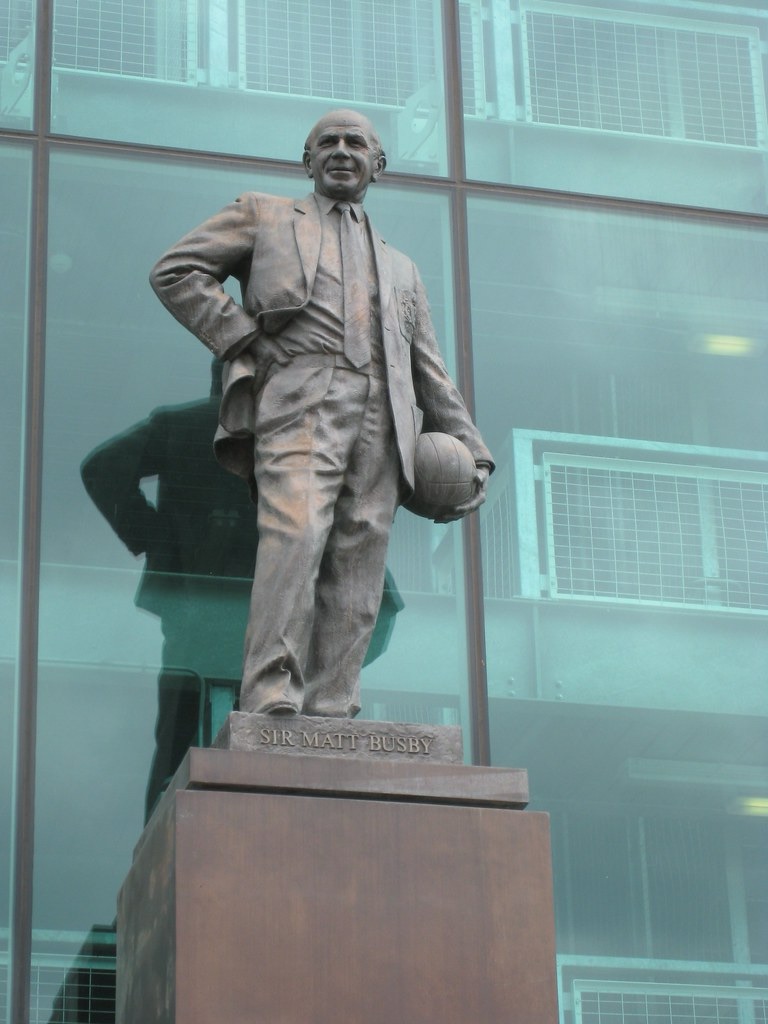
“Sir Matt Busby” by Bernt Rostad is licensed under CC BY 2.0.
By 1968, Manchester United had rebuilt their squad under the astute management of Sir Matt Busby. A decade earlier, the club had been devastated by the Munich Air Disaster, which claimed the lives of eight players. Busby, himself was badly injured in the crash before making a remarkable recovery to return to manage United determined to honour the memory of the ‘Busby Babes’ by creating a team capable of winning the European Cup.
At the heart of this side was a golden trio: Bobby Charlton, Denis Law, and George Best. Charlton was the elder statesman and driving force, Law the prolific scorer, but Best was the x-factor – the player who could do the extraordinary yet make it look remarkably easy.
United’s journey to the final saw them overcome formidable opponents such as Real Madrid in the semi-final, where Best’s creativity and vision were on full display.
The European Cup final of 1968 was held at Wembley Stadium on May 29th, pitting Manchester United against Portuguese giants Benfica.
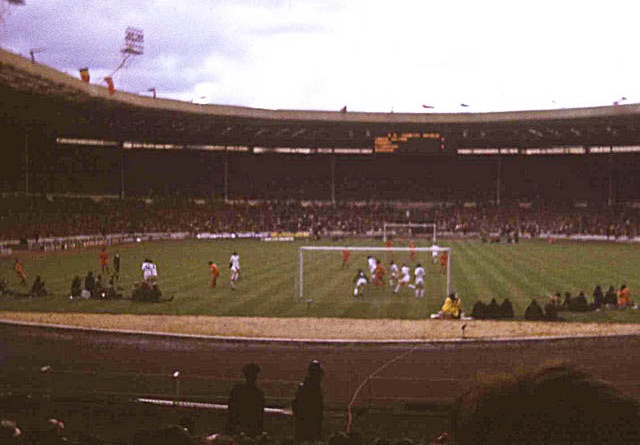
Image of the ‘Old Wembley’ – ‘File:The Charity Shield of 1974 at Wembley – geograph.org.uk – 620498.jpg” by Trevor Rickard is licensed under CC BY-SA 2.0.
The initial 90 minute match was a tense affair, with both sides showcasing their strengths. Charlton gave United the lead in the 53rd minute, but Benfica equalised thanks to Jaime Graça in the 79th minute, pushing the game into extra time.
It was during extra time that George Best delivered his moment of magic. Picking up the ball just outside the box, he glided past defenders with characteristic ease before rounding the Benfica goalkeeper Josè Henrique and slotting the ball into the net. It was the kind of goal that only Best could conjure with his unmistakable combination of skill, composure, and audacity.
His strike was the catalyst for United’s dominance in extra time, as they went on to win 4-1, with further goals from Brian Kidd and Charlton. Best’s performance in the final was emblematic of his career: uncontainable, electrifying, and decisive.
That 1968 European Cup campaign was Best at the peak of his powers. He scored vital goals, including a decisive strike in the semi-final against Real Madrid, and his performance in the final itself helped carry United to glory. That year, he was awarded the Ballon d’Or, cementing his status as the finest player in Europe.
For Manchester United, the 1968 European Cup win was more than a trophy – it was a triumph over tragedy and the fulfilment of Busby’s vision. For George Best, it was the pinnacle of a career at Manchester United that burned brightly.
When in full flow like he was in 1968, George really was the best.
Thinking about the genius of Bestie – as many of his former teammates called him – makes you wonder how incoming Manchester United manager – and former Benfica player – Ruben Amorim could do with a player as gifted and enigmatic as George today.
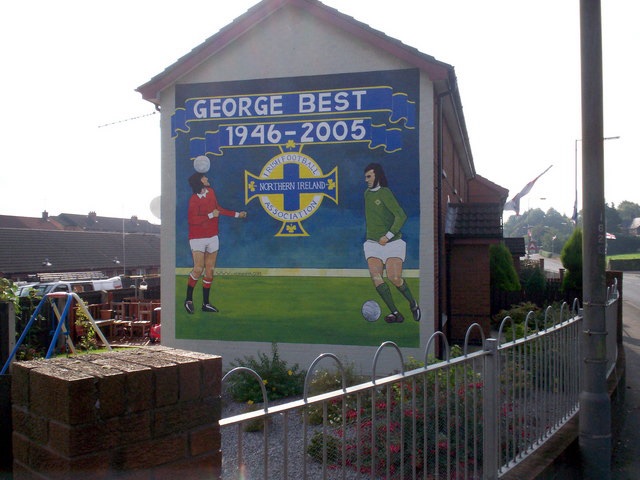
Featured image: “A Mural in Memory of George Best, The Famous Footballer, from Belfast. – geograph.org.uk – 571110” by P Flannagan is licensed under CC BY-SA 2.0.
 Callum McFadden