

You left Carrick Rangers in October after four years in charge. How do you reflect on your departure and taking some time out of the game?
“In all honesty, my departure probably came at the right time. When I look back, I probably should have gone in the summer instead of waiting until 10 games in when certain things went on. But that’s football. You learn from your mistakes and both parties felt like it was the right time to move on and that’s what I did.
“Overall, I had a great time at Carrick Rangers during my four years in charge and I genuinely wish the club well going forward.
“After my departure, I went on holiday straight away with my wife and kids which was exactly what I needed to regroup and recharge.
“Then, I had an opportunity to work abroad so I went away and worked abroad for quite a significant amount of time.
“I was able to switch off and not have to worry about anyone else. As a manager or coach, you’re constantly worrying about everything at the football club. But during this break, the only thing I had to worry about was myself and my family.
“Since I returned home, I have been collating match reports for some clubs and covering games for radio and TV.
“I’ve also been able to go and watch the teams I support – Banbridge Town and Everton – which has been really enjoyable.”
How much have you enjoyed your work in the media covering games across the Irish League?
“I’ve absolutely loved it—it kind of came out of the blue. It was like, ‘Would you fancy doing this?’ I’d done a few bits before, covering games on Fridays and Saturdays, but then they approached me directly.
“I had already made it clear that I’m not the type of manager or coach who turns up at games when others are under pressure—I hate that. I didn’t want people assuming I was there looking for a job, so I made sure certain people knew that wasn’t my intention. BBC picked up on that and got in touch, offering me opportunities to attend games as part of their coverage.
“Since then, I’ve been able to report on matches, scout players, and work across radio and TV. I’ve absolutely loved it—it’s been brilliant. It keeps me connected to the game, the players, managers, staff, and clubs.
“Even though I’m technically out of management, my phone hasn’t stopped ringing. Even in January, people were calling me for my thoughts and opinions. So, I’m still very much involved, and I enjoy that. But I’m not actively putting pressure on anyone by showing up at games—I don’t believe in that. If something is meant to be, it will happen, and that’s the mindset I’m taking.”
With your experience as a manager, do you find it challenging to separate that perspective when analysing a game in the media?
“I wouldn’t say it’s difficult. I’ve experienced most, if not all, of the situations I’m commentating on, so I speak from first-hand experience. That’s something I think has resonated well, based on the feedback I’ve received. I’ve been completely honest—I don’t try to defend my friends or sugarcoat things.
“Some people do, but I just say what I see and how I feel. I can talk from experience about moments on the pitch, the tough decisions managers have to make on the touchline, and the pros and cons of those choices. I think that’s one of the reasons I’ve been getting so much work recently.
“Stepping away from management came at the right time for me. It allowed me to completely switch off and not have to worry about anyone else. As a manager or coach, you’re constantly carrying the weight of everything at the club, but during this break, the only thing I’ve had to focus on is myself and my family.
“It’s been great to take that time away—to watch games, visit different clubs, and learn from other managers. Listening to different perspectives has been a real learning experience, and I’ve loved every bit of it.”
During your time out of the game, you have had the chance to attend many games but none bigger than attending the last ever Merseyside Derby at Goodison Park. What was that like?
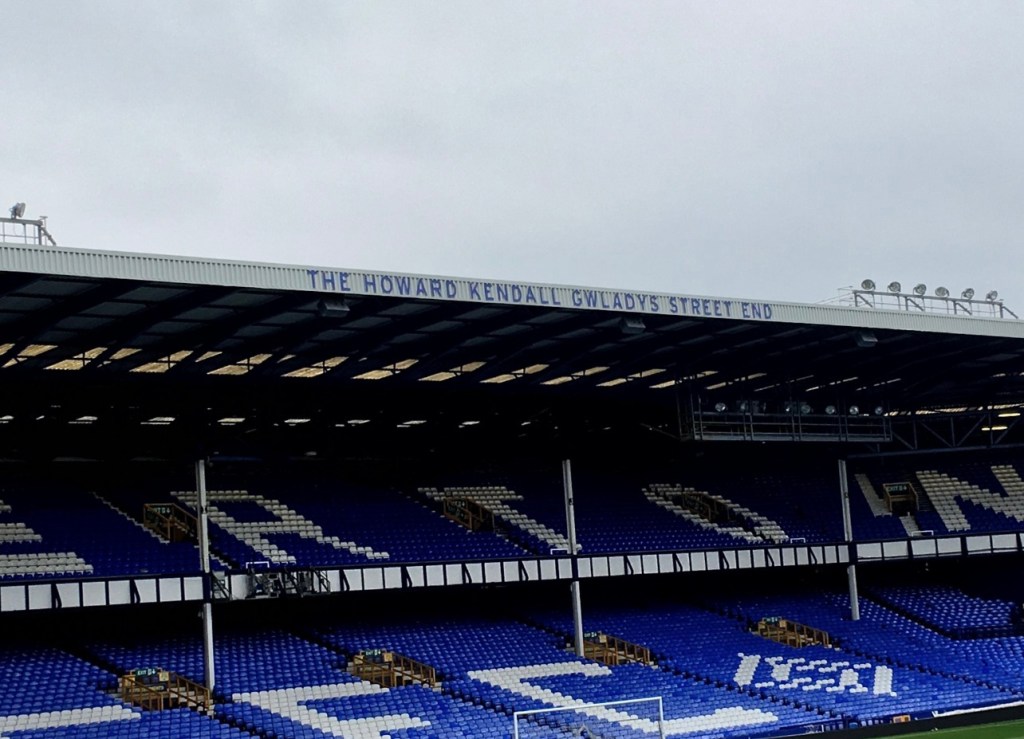
“Honestly, it was one of the best atmospheres I’ve ever experienced. I was there for the first game, but when it got cancelled, I made sure to go back for the rescheduled match on a Wednesday night—and I’m so glad I did. It was an incredible experience.
“With about 10 minutes to go, the Liverpool fans were already singing that they’d won the league at Goodison Park, which, as you can imagine, didn’t go down well at all. Then, in the final minute, Everton scored, and the place absolutely erupted.
“It was an unbelievable atmosphere—pure passion and intensity from start to finish. That was the last Merseyside Derby under the lights at Goodison, which made it even more special. Everton fans will definitely miss Goodison, but we’re all really excited for the new stadium—it looks absolutely phenomenal.”
Finally, Stuart, look ahead, are you feeling the itch to get back into management or would you be open to different roles within the game?
“Yeah, I will go back into management—I do get the itch. When I’m not working on the radio or TV on a Saturday, I honestly don’t know what to do with myself without a game to be involved in. So, yeah, I want to return, but I’m not going to jump at just anything.
“I’ll have conversations and listen to what’s out there, but the next role has to be the right one for me – whether that be as a manager or as a coach.
“There have been opportunities—I’ve even been approached by a foreign club and by local teams—but nothing has felt quite right yet.
“I promised my family I’d take a proper break, and I’ve stuck to that. But now, I’m at the stage where I do want to go back. That being said, I’m not forcing it. If it’s meant to be, it’ll happen. If not, that’s fine—I’ll keep doing what I’m doing. I’m not actively looking, and I’m certainly not putting pressure on anyone by showing up at games.
“I genuinely believe I’m a better manager now than I’ve ever been. I learned more in the first two months of this season—when things weren’t going our way—than I did in the previous four years, which were incredibly successful.
“During that tough period, I saw how things really work behind the scenes—what happens in the background when results aren’t coming. That experience taught me more than those four years of winning ever could.
“But that’s football—there’s no doubt about it. Even while being out of management, I’ve kept learning by speaking with other managers who have been through similar experiences. Many of them have left clubs, regrouped, and gone on to achieve great success.
“It happens to everyone, not just me. Even managers who are far better than I am have lost jobs. At the time, it was disappointing, but looking back, it was probably the best thing for everyone involved.”
Featured image: CRFC History
 Callum McFadden